


Older & Traditional Buildings Course | Level 3 Award ABBE Level 3 Award in Energy Efficiency for Older and Traditional Buildings

Energy Trust’s traditional buildings course leads to the ABBE Level 3 Award in Energy Efficiency for Older and Traditional Buildings, designed for professionals looking to gain a better understanding of older buildings and comply with PAS 2035. The live online version of this course is available at £495 + VAT, and the self-study, on demand format at £395 + VAT.



What is the Level 3 Award in Energy Efficiency for Older and Traditional Buildings?
Older and traditional buildings have unique needs and concerns when it comes to retrofit. Their traditional construction and heritage features can cause complications with retrofit processes. If these factors are not considered, retrofit work can end up being detrimental to the building and its value in the long run; that is why the traditional buildings course is so important.
The Level 3 Award In Energy Efficiency For Older And Traditional Buildings has been specifically developed to explain these extra considerations, leading to more informed and effective retrofit decisions.
In fact, under PAS 2035 & PAS 2038 this qualification is a mandatory requirement for all retrofit assessors, designers, installers and retrofit coordinators contributing to PAS 2035 retrofit projects on traditional buildings.
Who is the course for?
This older buildings training is aimed at Retrofit Assessors, Retrofit Coordinators and Retrofit Designers working with traditional properties. It is also relevant to professionals in surveying, construction and retrofit installation who want to understand older buildings better.
For experienced retrofit professionals, the award can help broaden the range of properties they work on. For those entering the industry, it provides a foundation in the additional care and considerations these buildings require from the outset.
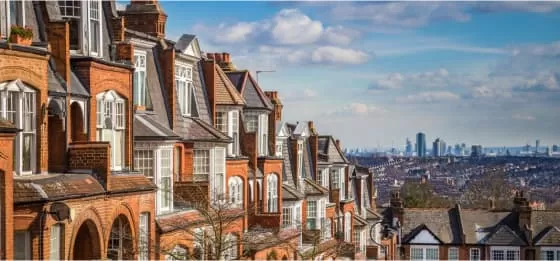
Since around 1 in 5 domestic homes in the UK are traditionally constructed, understanding how they work is extremely valuable to energy assessment, retrofit or construction professionals.
What are the entry requirements?
This qualification does not require any prior industry-specific qualifications or experience. The only requirements are that you must be aged 18 or over and have relatively strong IT skills in order to undertake either version of the course.

What will I learn?
The traditional buildings course teaches you how to assess energy efficiency improvements for older properties while respecting their construction, condition and historic character.
Whether you choose live online or self-paced learning, you’ll develop the knowledge to:
- Understand the building before recommending changes. Recognise its age, materials and construction, and understand how its condition and maintenance affect energy performance.
- Choose suitable improvements. Assess energy efficiency measures and materials against the needs of the property, considering how proposed changes could affect its performance.
- Protect its heritage and character. Apply conservation principles informed by BS 7913 and understand the significance of the building’s features when considering retrofit options.
- Make informed recommendations. Explain suitable improvements and give advice on introducing them sympathetically.
You’ll put this knowledge into practice through a virtual case study, selecting appropriate measures and completing a significance survey in line with PAS 2035:2023.
For a detailed breakdown of the topics covered, explore the live online course schedule or the self-paced online course schedule.
What do I do once qualified?
Once you are certified, you can add your certificate to your CV, professional profile and portfolio. Share it with your employer and accreditation scheme so your specialist knowledge is recognised when taking on traditional building projects.
For certain retrofit roles, this award opens up extra opportunities:
- Retrofit Assessors: This Level 3 Award allows you to conduct retrofit assessments on traditional buildings, gathering information about their construction, condition and energy performance to inform suitable improvements.
- Retrofit Coordinators: Coordinate retrofit projects involving traditional buildings, using your knowledge to help manage risks and protect the property’s fabric and character.
- Retrofit Designers: Develop appropriate retrofit proposals that account for traditional materials, building performance and heritage significance.
The award provides the additional traditional buildings knowledge required for these roles under PAS 2035. You must also meet the wider qualification, competence and accreditation requirements for your profession.
Why do traditional buildings need a different approach?
Older and traditional buildings manage heat, air and moisture differently from modern construction. Materials such as lime mortar, stone and solid brick form part of how these buildings absorb and release moisture, so energy efficiency measures need to work with their existing construction. Choosing suitable insulation, considering ventilation and protecting historic features all require careful assessment.
Understanding these characteristics is central to improving energy efficiency in older and traditional buildings. Well-planned upgrades can improve comfort, reduce energy use and lower running costs while preserving the character and significance that make these buildings valuable.
The challenges also extend beyond the building itself. Planning considerations, access to specialist skills, affordability and clear advice can all influence which improvements are achievable. Our article on the government review of barriers to upgrading traditional buildings explores these wider issues and highlights why informed, sensitive retrofit decisions matter.

Meet Our Traditional Buildings Course Tutor
All of our trainers has years of practical experience in the qualification they teach. This gives them expert insight into not only the theory, but how that theory applies in real-world scenarios. They are eager to share that expertise with each and every class they teach.
Over 20 years of experience in energy assessment and retrofit training.



Why choose Energy Trust?
Energy Trust has been training energy assessors since 2008. Our Traditional Buildings course combines expertise from specialists, hands-on virtual examples, and constant support while you complete your work.
Over the years, we’ve helped thousands of people achieve their professional goals. We remain committed to providing exceptional training, equipping our students with the skills and confidence they need to thrive in their new roles.
Our team combines training and assessment experience with practical knowledge of the energy and retrofit sectors. You can also combine related qualifications through our course bundles to plan your next career step.
Compare the formats and upcoming dates, or speak to a course adviser about the right route for you.
Frequently Asked Questions
They use specialist knowledge to understand traditionally constructed buildings and consider appropriate energy efficiency improvements within their professional role. The award supports assessment, coordination and design work; the responsibilities depend on the role and the person’s wider qualifications.
The time it takes to get qualified depends on the course format you choose. Students on the live online course can complete all the required work in 2 days, and receive their certificate within 5-7 business days. On the self-study course, the duration entirely depends on the student, their pace, and their schedule.
It costs between £395 + VAT – £495 + VAT, depending on the course format you choose. However, it is included free of charge within certain retrofit course bundles.
The award adds specialist knowledge to a wider professional role. It can open up new opportunities, but it does not have a separate salary or guarantee an increase in earnings. Your income depends on your qualifications, experience, location, and clients.
These projects require careful judgement about construction, moisture, condition and heritage significance. The course helps you understand the issues, explain appropriate improvements and recognise when specialist investigation or advice is needed.
Yes. Energy Trust includes the self-paced award at no extra course cost in its Retrofit Coordinator Plus and Retrofit Essentials bundles. You pay for the selected bundle and must meet each course’s entry and assessment requirements.
According to PAS2035, traditional construction is defined as a “building with solid brick, stone or earth external walls, constructed with moisture-permeable materials and usually built prior to 1919, or pre-1919 timber-frame external walls with any infill”
Retrofit Assessors, Coordinators and Designers working on traditionally constructed dwellings must meet additional qualification requirements under PAS 2035:2023. This Level 3 Award, or an accepted equivalent, supports those requirements.
Older buildings need improvements that respect their materials, performance and heritage significance. The qualification develops specialist knowledge to evaluate suitable measures, manage risks and explain recommendations. It supports better-informed decisions about improving energy efficiency in older buildings.
Yes, this qualification is designed to meet the requirements set out in PAS2035 & PAS2038 for Traditional & Protected Buildings in accordance with BS 7913.
The additional PAS 2035 competence requirements relate to retrofit roles and projects within that framework. The award does not replace the qualification and accreditation needed to produce EPCs.
Yes, both of our Level 3 Traditional Buildings courses are entirely distanced, meaning no attendance at a physical classroom is required.